E lectric Fencing: A Cost-Saving Revolution in Modern Farm Management
news
2026/06/17 21:57
Electric fencing is rapidly becoming one of the most practical tools for modern agriculture, especially for farms that need to reduce operational costs while maintaining strong livestock control. Compared with traditional wooden or steel fencing, electric systems offer a more flexible, scalable, and economically efficient approach.
 The Real Cost Advantage Behind Electric Fencing
One of the most important reasons farmers are switching to electric fencing is simple: it significantly reduces total farm expenditure over time.
Traditional fencing requires heavy upfront material investment and ongoing repairs due to weather damage, animal pressure, or land expansion. Electric fencing, on the other hand, uses lightweight conductive wires supported by posts and powered by an energizer system. This reduces both installation cost and long-term maintenance.
The financial advantage is not only in materials but also in labor. Farms that previously required constant fence inspections and repairs can operate more efficiently with fewer staff hours dedicated to perimeter management.
 How the System Works in Practice
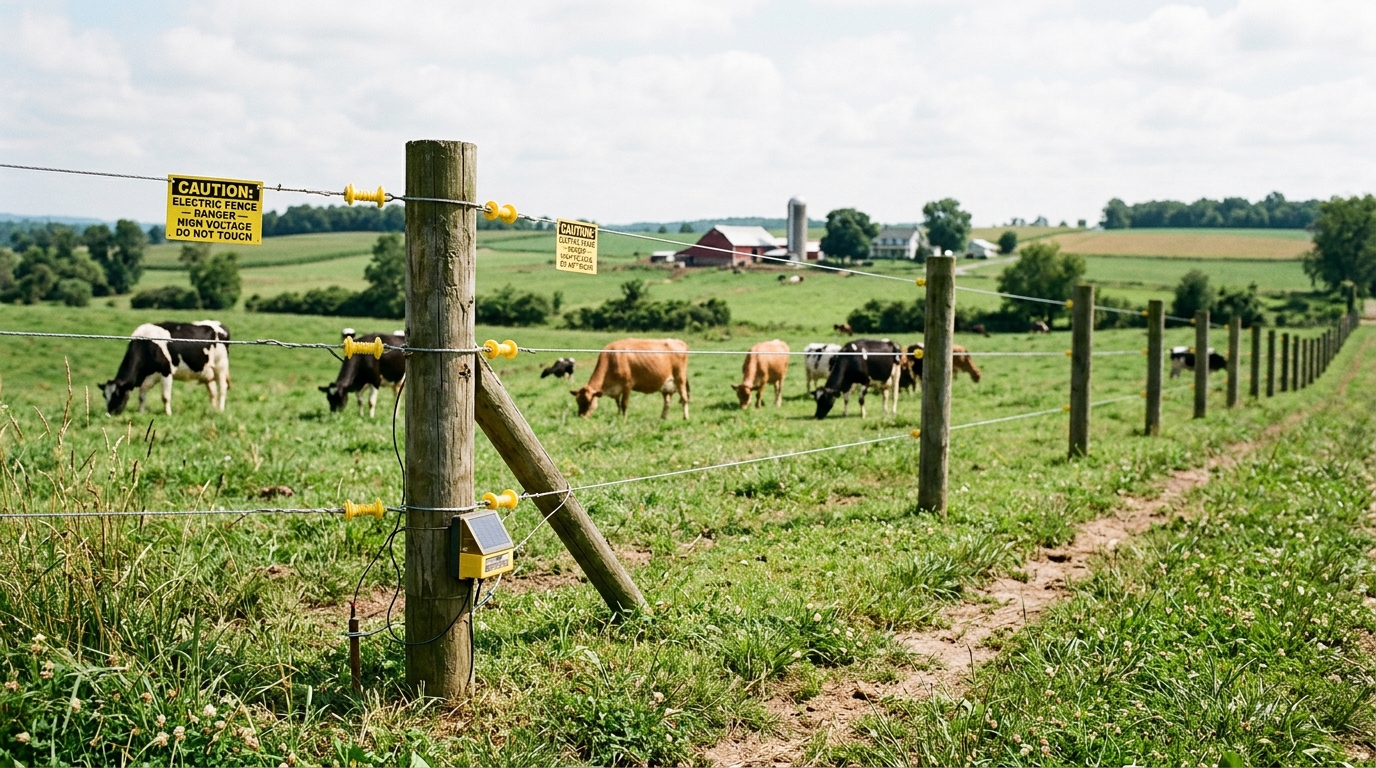
Electric fencing works through controlled energy pulses sent along a conductive wire. When livestock touch the fence, they receive a short, safe deterrent pulse that encourages them to stay within designated boundaries. Over time, animals learn to avoid contact altogether.
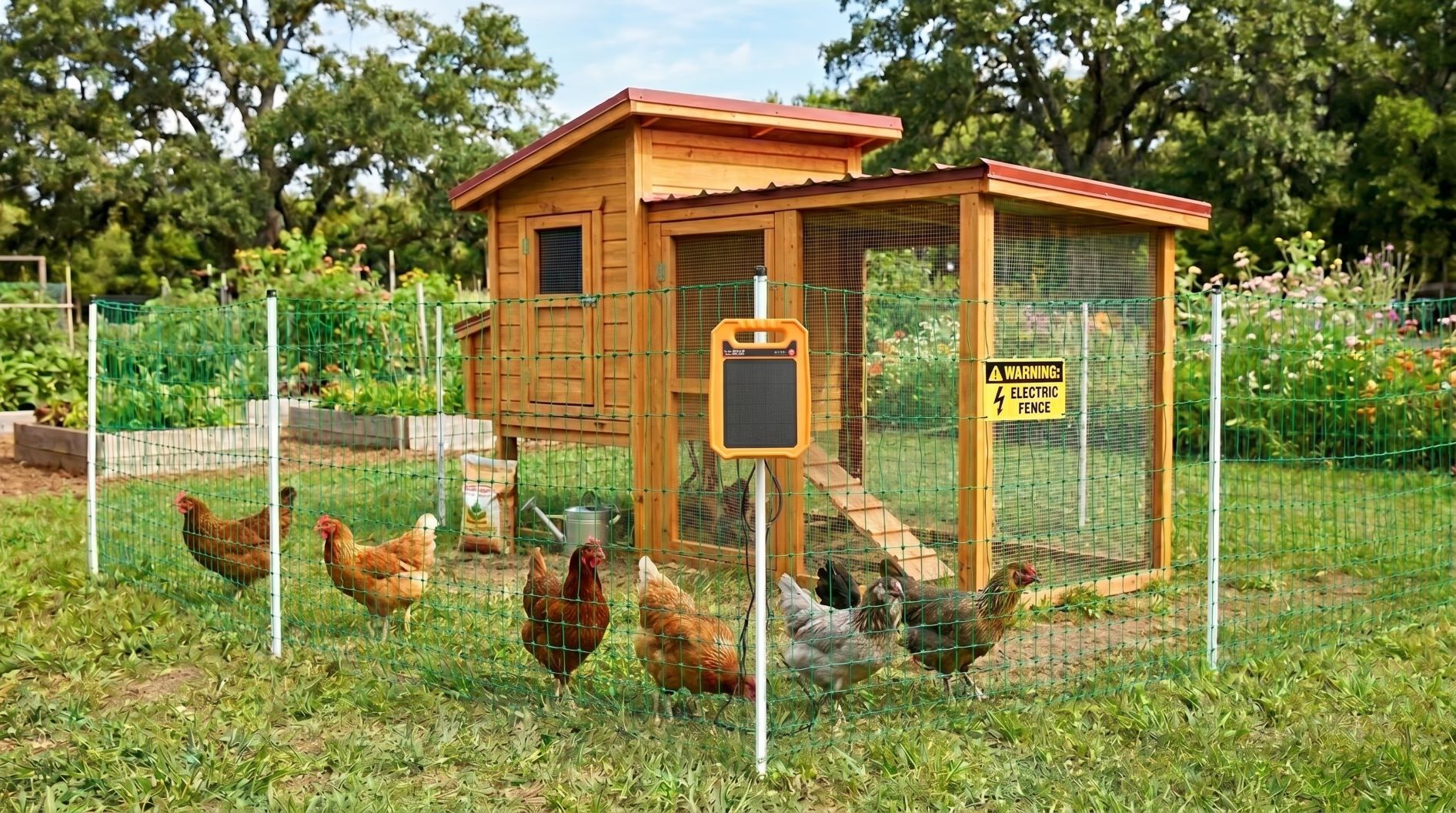
A complete system typically includes fencing wire, grounding rods, and most importantly, an energizer that regulates the electrical output. The energizer is the core of the system because it determines how consistently and effectively the fence performs under different environmental conditions.
 High-performance energizers can be explored here: Vetrapulse Electric Fence Energizer Collection
 Traditional Fencing vs Electric Fencing
To understand the economic impact clearly, the comparison below highlights the operational differences between the two systems:
| Category | Traditional Fencing | Electric Fencing |
|---|---|---|
| Installation Cost | High due to materials and labor | Lower and faster setup |
| Maintenance Needs | Frequent repairs required | Minimal ongoing maintenance |
| Labor Requirement | Continuous inspection | Occasional monitoring |
| Scalability | Difficult and costly | Easy to expand |
| Livestock Control | Physical barrier only | Behavioral conditioning + barrier |
This comparison shows why electric fencing is increasingly preferred by modern farms aiming to scale efficiently without proportional cost increases.Over time, these incremental savings compound into a significant reduction in total farm operating costs.
 Real Farm Application Example
A cattle farm operating on several hundred acres recently transitioned from wooden perimeter fencing to an electric fencing system powered by a modern energizer setup. Within the first production cycle, the farm observed noticeable improvements in operational efficiency.
Fence repair frequency dropped significantly, allowing staff to focus more on livestock health and grazing optimization rather than infrastructure maintenance. The farm also found it easier to adjust grazing zones seasonally without rebuilding physical structures, which previously consumed both time and budget.
This type of real-world efficiency gain is exactly why many agricultural operators are adopting solutions like those developed by Vetrapulse.
 Explore fencing systems: Vetrapulse Electric Fencing Collection
 Why Vetrapulse Is Becoming a Trusted Choice
In the agricultural fencing sector, Vetrapulse has positioned itself as a practical solution provider focused on durability, efficiency, and long-term performance.
Rather than overcomplicating systems, Vetrapulse emphasizes stable energy output, compatibility with different fence configurations, and equipment designed to withstand outdoor agricultural environments. This makes their energizers particularly suitable for both small farms and large-scale livestock operations.
For farmers, the real value lies in reducing downtime and ensuring consistent fence performance across changing terrain and weather conditions, which directly supports livestock safety and operational stability.
 FAQ: Electric Fencing in Modern Agriculture
Is electric fencing suitable for large farms?
Yes. It is widely used in large-scale cattle and mixed livestock operations due to its scalability and efficiency.
Does electric fencing require constant maintenance?
No. Compared to traditional fencing, maintenance is minimal and usually limited to occasional inspections and energizer checks.
Are electric fences safe for animals?
Yes. The system uses short, controlled pulses designed to deter without causing harm.
What is the most important component of the system?
The energizer is the core component, as it ensures consistent power delivery and overall system reliability.
Can electric fencing adapt to changing farm layouts?
Yes. It is highly flexible and can be reconfigured quickly for rotational grazing or land expansion.
 Final Perspective
Electric fencing is no longer just a cost-saving alternative; it has become a strategic tool for modern farm management. By combining lower installation costs, reduced labor requirements, and long-term scalability, it helps farms operate more efficiently in an increasingly competitive agricultural environment.
With solutions from Vetrapulse, farmers can adopt a system designed not only for control but also for sustainable cost reduction and operational flexibility.





| Media partners: |
| US 103 radio broadcast Ra | U.S. regulation news | |